Salvador Bahia Brazil
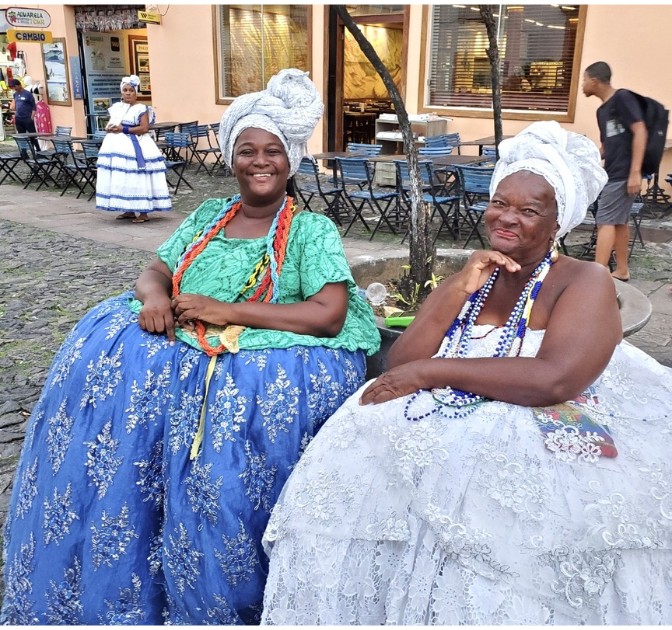
My daughter Janine and I had a wonderful time in Salvador Brazil.
Salvador is the capital city of the state of Bahia. Salvador holds one of the deepest and most influential histories of Black life in the Americas. Founded in 1549 as Brazil’s first capital, Salvador became the main port of entry for enslaved Africans during the transatlantic slave trade.
Millions of Africans mainly from West and Central Africa, including the Yoruba, Bantu, and Fon people, were brought to Bahia Brazil to work in the sugar plantations and in domestic service industry.
Despite brutal oppression, the enslaved Africans of Salvador still managed to preserve their languages, spirituality, their traditional music, food and social structures, laying the foundation for the distinctly Afro-Brazilian culture of today.
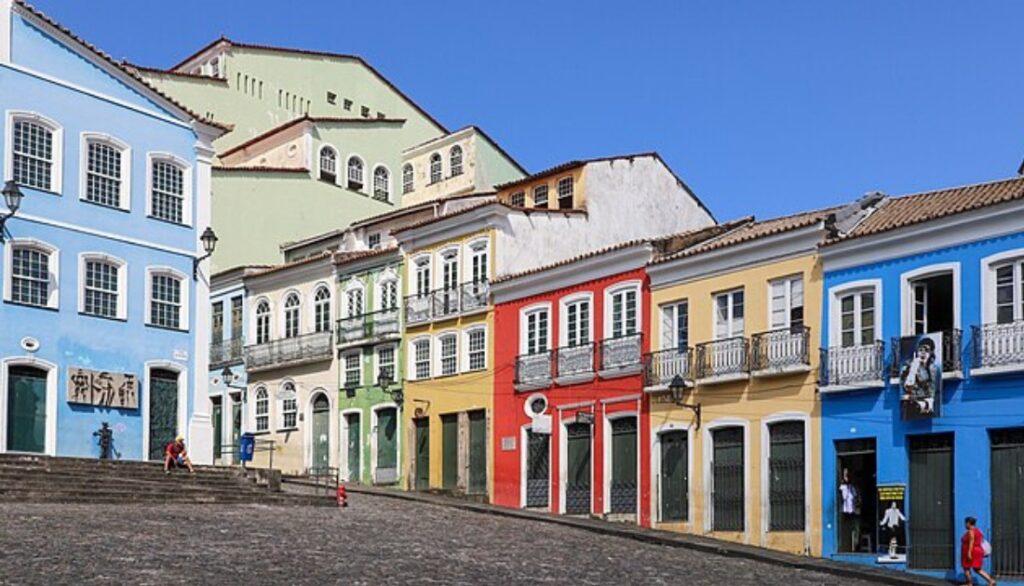
Stroll the Colorful Cobblestone Streets of Pelourinho
Take your time strolling through Pelourinho’s beautiful pastel-colored colonial buildings. Every corner is vibrant, lively and photo-worthy that shows off Salvador’s Afro-Brazilian heritage.
Located in the “Upper City” of Pelourinho was strategically designed in the 16th century by the Portuguese colonizers, as the city is overlooking the Bay of All Saints. Make sure you wear comfortable shoes as you will be strolling uphill on cobblestone streets roads and walkways.
Visit Largo do Pelourinho (The Town Square)
This central square is the heart of the neighborhood. It’s ideal for people-watching, photos, and catching impromptu performances.
Visit the Church of Our Lady of the Rosary of the Black People
Don’t miss this unique church service in Pelourinho, Salvador, which merges Catholic traditions with Afro Brazilian rhythms, songs and drumming all while creating a spiritual, vibrant and highly recommended cultural experience
If you want a seat, get to the church early for the 6:00 pm, Tuesday evening mass, which takes place at the Church of Our Lady of the Rosary of the Black People. Click here to see Janine’s YouTube of the Church of our Lady of the Rosary of the Black People.
Experience a Live Capoeira Performance
Pelourinho is one of the best places in the world to see capoeira, which is part martial art, part dance, part music. Performances often happen in the public squares of Pelourinho.
Capoeira is more than just a sport; it tells the story of African slaves who sought a way to practice their martial arts secretly in Brazil. The combination of combat movements dance and music makes Capoeira a symbol of resistance and creativity. Today, Capoeira is a living expression of culture in Salvador.
Listen to Live Drumming in the Pelourinho Square
Afro-Brazilian percussion fills the air almost daily. Groups rehearse openly, especially in the late afternoon, creating an energetic, communal atmosphere.
Learn about Salvador’s History Visit the Museu Afro-Brasileiro
Dive deep into the history, religions like Candomblé, the art, culture and traditions brought to Brazil by Africans. It provides crucial context for Salvador’s identity.
Attend a Cultural Show at Teatro Miguel Santana
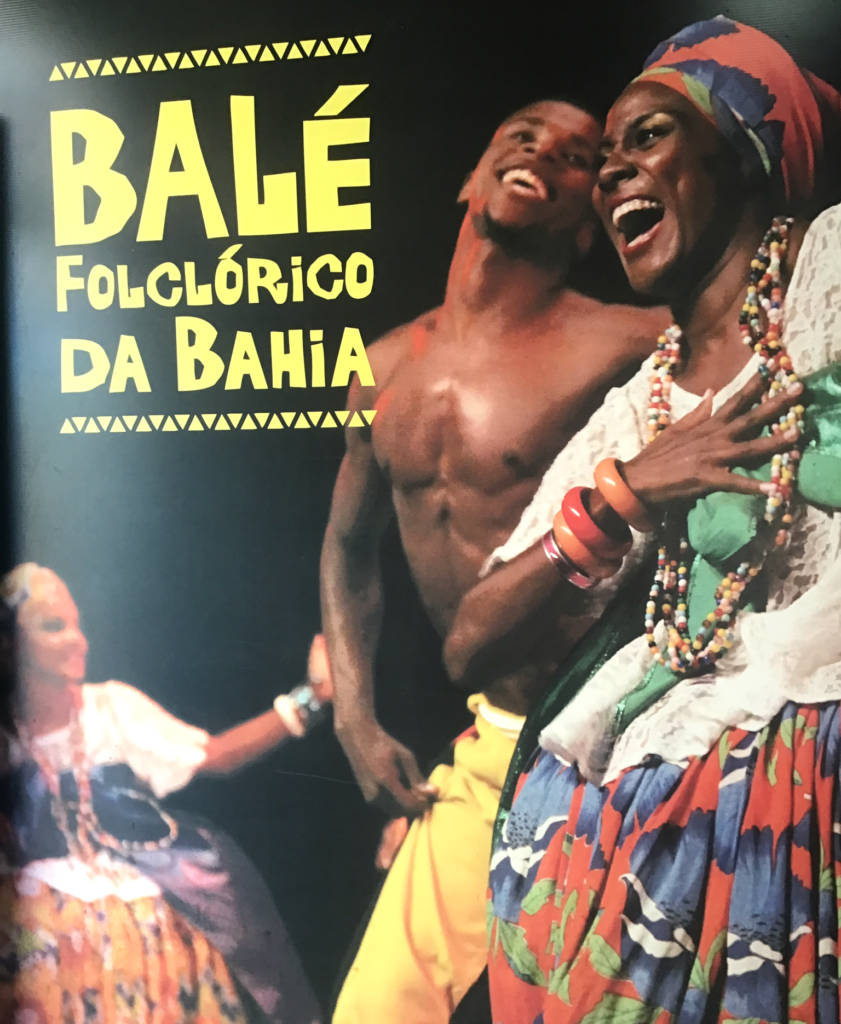
Often referred to as the Miguel Santana Theater, Ballet Folclórico da Bahia Theater, or simply the theater in Pelourinho.
The theatre is known as the home of the Ballet Folclórico da Bahia with daily, an hour-long, high-energy performances showcasing Afro-Brazilian culture, dance, and music.
The box office opens at 2:00 pm to start selling tickets and be sure to get your tickets early or purchase in advance as the 6:00 pm show usually sells out. Click here to see Janine’s YouTube of getting your show tickets early.
Shop for Local Handicrafts and Art in the Pelourinho Square
Browse shops selling handmade jewelry, colorful paintings, wood carvings, lacework, and Afro-centric fashion. Many pieces are made by local Brazilian artists.
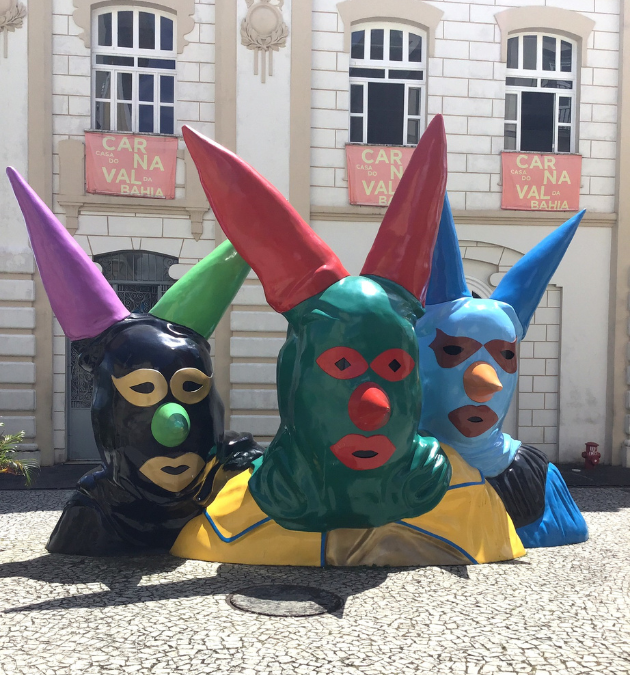
Experience the Casa do Carnaval da Bahia
The Casa do Carnaval museum is located in Salvador’s historic Pelourinho district. This interactive museum is dedicated to the history and culture of Bahian Carnival. Above all, offering interactive drumming, a 3D movie simulating being in a street parade and dancing with a dedicated space with drums for visitors to experience firsthand the rhythms of Carnival in Brazil. Click here to see us at the Casa do Carnaval da Bahia
Enjoy the Traditional Bahian Food
Sample classics like acarajé, (black-eyed pea & shrimp fritter) moqueca, (fish stew) and cocada (coconut candy) from small eateries and street vendors. Pelourinho is one of the best places to taste authentic Bahian flavors.
Experience Pelourinho at Night
After sunset, the neighborhood comes alive with live music way into the night with dancing, bars, and cultural shows. This nightlife is vibrant, social, and uniquely Salvador.
Take a Guided Historical Walking Tour
A local guide or short tour brings Pelourinho’s complex history to life from colonial wealth to slavery to modern cultural revival — for walking tours speak to your hotel or use Get Your Guide.
Watch Street Performers and Dancers
Expect spontaneous performances: samba, maculelê, percussion, and theatrical acts happening right in the streets and plazas all over Pelourinho.
Take a Ride on the Infamous Elevador Lacerda
A quick ride on this elevator was really an experience. As of February 2026, the Elevador Lacerda is 152 years old and has the distinction of being the first public city elevator in the world. The Elevado Lacerda connects the Upper Level near the Pelourinho Square and the Lower Level, which brings you right across the street from the Mercado Modelo. Click here to see Janine on the Elevador Lacerda
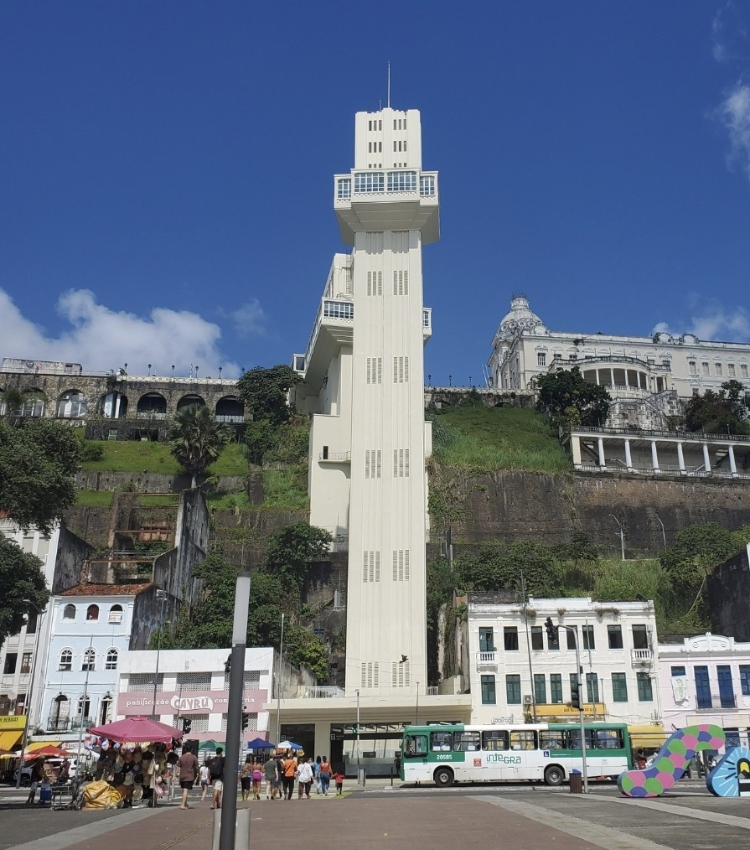
The Elevador Lacerda is open daily, typically from 6:00 am to 11:00 pm on weekdays, with slightly shorter hours on weekends and can transport up to 32 passengers.
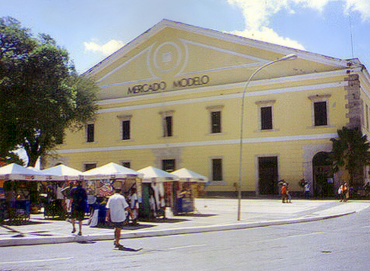
Shopping in the Mercado Modelo
A historic century old marketplace featuring over 250 stalls selling souvenirs, art, and offering traditional capoeira performances. It acts as a major cultural center.
Visit the Iconic Balcony of Michael Jackson’s Video
The Michael Jackson balcony in Pelourinho is a powerful cultural landmark tied to the 1996 filming of the song and video of “They Don’t Care About Us.”
In addition, infamous balcony is where Michael Jackson famously stood and sang alongside the renowned1979 Afro-Brazilian musical band called Olodum, while overlooking a crowd of locals who filled the colorful colonial streets below.
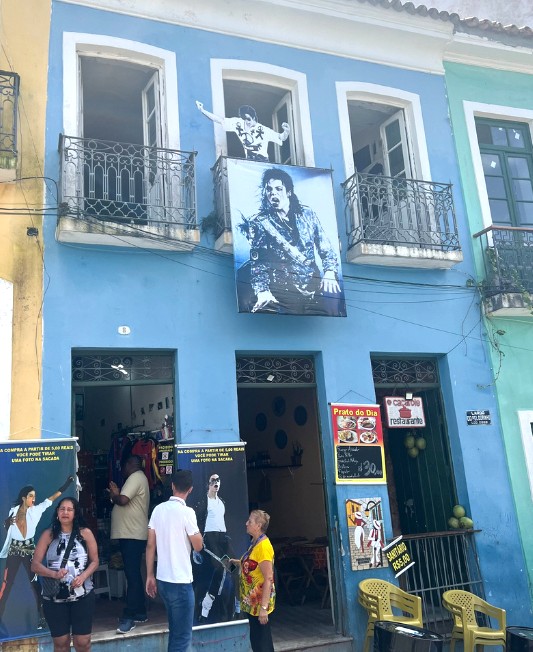
The making of the video brought global attention to Brazil’s Black culture, social inequality, by turning Michael Jackson’s song into more than music; it became a statement.
Today, the balcony remains a must-see spot for visitors, representing Salvador’s deep influence on global music, Afro-diasporic pride, and the city’s lasting imprint on one of the most iconic moments in pop history.
Leave a Reply