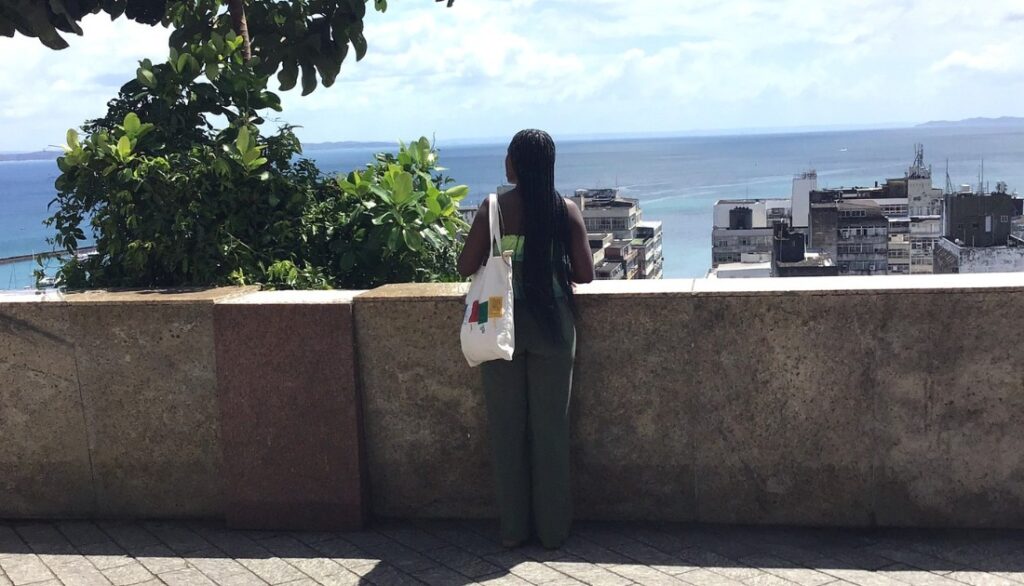
The fear of traveling outside your country is very common, and it’s something you can work through step by step. Here’s a practical, confidence-building list of things you can do to overcome your fears and nervousness when traveling to an unknown destination.
Educate yourself about your destination
Learn about the culture, customs, safety, transportation, and basic laws of your destination. Fear often comes from the unknown and learning about your travel destination will alleviate some of your fears.
Start with choosing an “easy” travel destination
For your first time, choose countries known for being traveler-friendly, English-speaking, or culturally similar to home. These countries have built their infrastructure to manage tourism. An example of these countries includes but not limited to: Canada, U.K., Barbados and the Caribbean, Australia & Ireland just to name a few.
Plan your trip in detail but include flexibility
Book flights as early as possible, reserve your accommodation and plan the first few days of activities in advance. Having a plan reduces uncertainty and stress, until you get a little more familiar with the destination.
Learn a few basic phrases of the local language
Even simple words in the native language like “hello,” “thank you,” and “help” can make you feel more comfortable and the locals often appreciate the effort. Also don’t forget to download a translation app onto your phone.
Travel with someone you trust
Going with a friend, partner, or family member can ease fears. Once you gain experience traveling then your first solo trip will feel far less intimidating.
Start with a short international trip a few hours from home
A 5-7 day international trip is a great way to test the waters without feeling overwhelmed. Plan your activities ahead of time, but leave room for flexibility, in case you want or need to change plans. Make sure you take advantage of easy simple tours set up by the locals or your hotel.
Prepare for common travel situations
Watch videos or read blogs and guides about airports, customs, immigration, public transportation, and hotels abroad so you know what to expect. This is an important one, as airports are different all over the world. Some airports have a train or tram to take you from one terminal to another. So, familiarize yourself with these entities.
Have a safety and emergency plan
Share your itinerary with someone at home, keep emergency contacts saved, know the local emergency number, and have copies of important documents. Tip: Always get travel insurance. Double check if your health insurance will cover you while abroad.
Do not keep all your emergency contacts on your phone. Send pictures of your passport and itinerary to your email account, in case your lose or damage your phone.
Limit naysayers & negative news consumption
Media often exaggerates danger. Balance these headlines with real traveler experiences, blogs, and reviews from people who have actually traveled to your destination.
Use travel tools and apps
Maps, translation apps, ride-share apps, and travel planners will help reduce the fear of getting lost or stuck. Here’s a great example, I was solo traveling in Japan; and I had no idea that google maps features a “Live View” where you point your phone at a street sign and it will show you with arrows which way to walk, turn to the address of your destination. It was really cool and helped me feel comfortable finding my way around.
Focus on the benefits of traveling abroad
Think about what you’ll gain from traveling to an overseas destination. Think about the experiences, the memories, the confidence and know-how you will build within yourself. Think about the cultural understanding, joy, and personal growth that you will have acquired upon your return back home.
Remind yourself you can always return home
Knowing that you are not “trapped or stuck in a country” can be incredibly reassuring. A return ticket can feel like freedom.
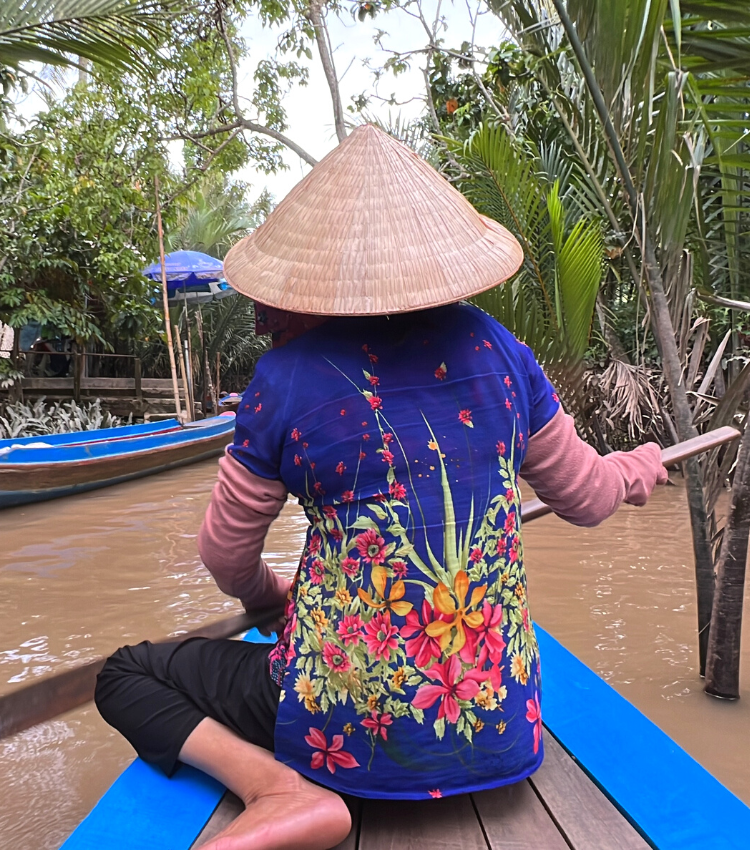
This was my thought when I was sent to Vietnam. I knew I would give it my best shot, but if I did not like the experience or destination, I knew how to return back to the comforts of my home. Of course, I loved the life-changing experience I had in Vietnam, but it was the comfort of knowing I was not stuck.


Leave a Reply