Things to See and Do in Maputo Mozambique
Central Railway Station
The Central Railway Station is the epitome of beautiful architecture in Maputo. This 100-year-old train station connects South Africa, Eswatini (aka Swaziland) and Zimbabwe.
In addition to being an active train station, it also contains a rail museum, food and hold musical events.
So, if you have an appreciation for architecture the Central Railway Station is the beauty to see.
The Fish Market – Mercado de Peixe
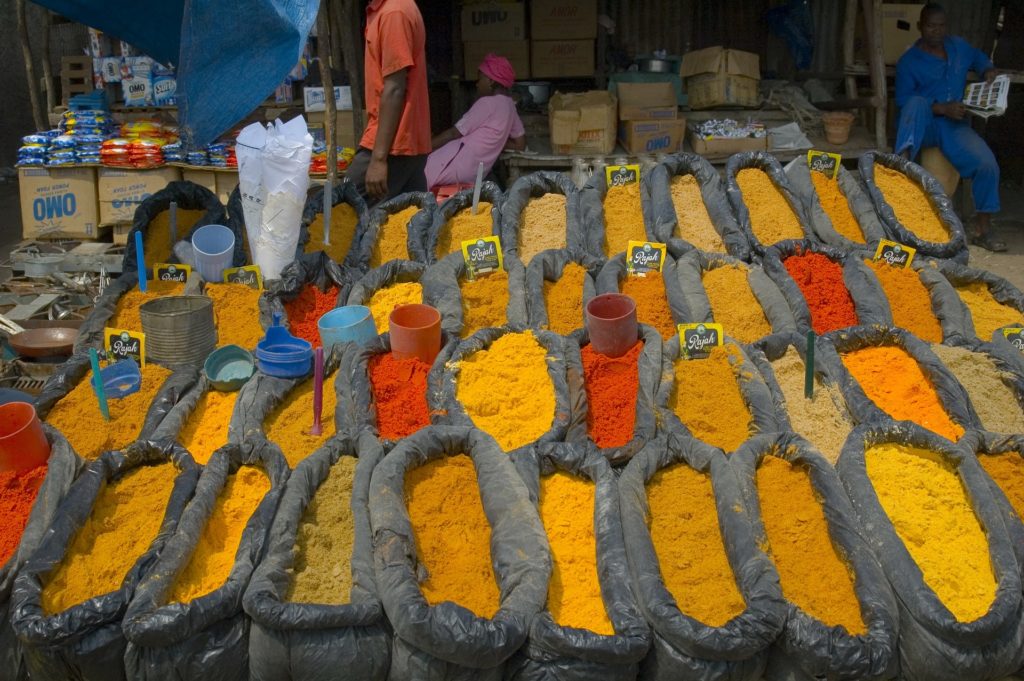
Full of touts and crowds in the early morning, but if you like the hustle and bustle of markets as I do, then do not miss the Mercado de Peixe. You can also eat inside; but be careful not to be scammed. Choose your restaurant carefully, and make sure you see a price menu, before making purchases. I was warned beforehand that pricing scams are common at this fish market. But the seafood was fresh and plentiful, and my crab and shrimp dish was delicious.
The Natural History Museum
Museu de Historia Natural de Maputo is an old-fashioned style natural history museum.
For an inexpensive activity and a few hours to spare it is worth a visit.
The museum has very interesting and historic information, along with many preserved animals, seemingly in their natural habitat. and will be the highlight if you have children.
The Mozambique Beaches on the Indian Ocean
The Fortress
Fortaleza da Nossa Senhora de Conceicao – History buffs, get a blast from the past and do not miss this Fortaleza of Maputo.
For the past 300 years, this fort, built on the commercial route to the West Indies, has been destroyed and rebuilt quite a few times.
The Fortress is small; but well maintained. You will have an idea of the Mozambiquan history during the tribes era up to the colonial era when this fort was built.
The Culture of Mozambique
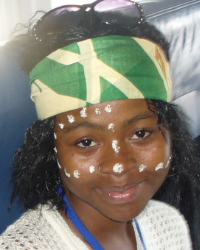
The culture of Mozambique has a rich cultural heritage. The traditions and customs range from Islam, Swahili and the Bantu speakers all live harmoniously together.
Mozambican society has traditionally revolved around the family, food and years of customs. Because this east African country was colonized by the Portuguese in 1500s. Portuguese is the most widely spoken language, used for education and business. However, most educated mozambiquian speak English.
t
Leave a Reply